Find the failure, fix the line, protect your property

Sewer line repair Spokane WA That Restores Flow

When sewage backs up or a yard turns soggy, sewer line repair Spokane WA homeowners need starts with finding the actual failure. Plumbing Spokane LLC repairs cracked, separated, and root-damaged sewer pipes for homes and businesses across Spokane, Washington. Our crew uses camera inspection to locate the problem, explains whether a targeted repair or replacement fits, and tests the line before wrapping up. Call when recurring clogs, sewer odors, or a backup point beyond a single drain.

↗
Fast online booking

Request service today

Tell us what is happening. Our local team will confirm your visit shortly.

No spam. No obligation. Just practical help.
Thanks — we'll call shortly to confirm your visit.
Dependable Plumbing across Spokane, Washington
Careful work. Honest options.
About this service

Sewer Line Repair Spokane WA: What It Covers

Sewer line repair Spokane WA is a plumbing service that locates and corrects damage in the buried pipe carrying wastewater from a building to the sewer connection. The work starts by checking symptoms and inspecting the line with a video camera inspection system; the footage helps pinpoint a crack, offset joint, obstruction, or root intrusion. Depending on the pipe's condition, we clear the obstruction, repair a limited section, or replace a failed run. We then run water and inspect the repaired area so you know the line is moving wastewater as intended.

Spokane properties face different sewer problems as pipes age, ground freezes, and tree roots follow moisture into joints. A clogged drain that returns after snaking, several fixtures gurgling together, or a sewer backup in a basement can indicate a main-line fault rather than a fixture problem. Our sewer pipe repair Spokane work begins with that distinction, because replacing a sound pipe wastes money while ignoring a broken section risks property damage. If you are searching for sewer line repair near me Spokane WA, we trace the symptoms to the source and explain the repair options.

  • ✓ Stop Recurring Backups
  • ✓ Limit Excavation Footprint
  • ✓ Protect Building and Yard
  • ✓ Choose the Right Repair
What's included

What Sewer Line Repair Includes

Sewer line repair covers diagnosis of the affected pipe, locating the defect, and restoring the damaged section or replacing it when the evidence supports that choice. We test flow after the work and explain the repair area. Cleaning, excavation, and surface restoration depend on the pipe condition and access required; we describe the work and price before proceeding.

✓

Symptom Assessment

We ask which drains are affected, when the backup occurs, and whether the problem returns after clearing. Checking multiple fixtures helps separate a local clog from a main-line fault and guides the inspection toward the right cleanout.

✓

Camera Pipe Inspection

We use a camera to examine accessible sewer pipe and identify roots, cracks, separated joints, standing water, or collapse. The footage helps locate the failure and determine whether the repair should target one section or a longer run.

✓

Pipe Repair or Replacement

We remove the failed section and install compatible pipe and fittings, or recommend replacement when damage extends across the line. The work plan accounts for pipe depth, material, access, and nearby hard surfaces.

✓

Flow Verification

After the repair, we run water through the system and inspect the repaired area where access allows. This confirms that wastewater moves through the line and gives you a practical closeout of the work completed.

✓

Jobsite Cleanup

When excavation is part of the repair, we remove work debris and backfill the opening as appropriate. We review the affected surface with you and explain any remaining landscaping or paving restoration needed after pipe access.

How it works

What to Expect During the Repair

01

Check Symptoms

We start by asking what you have noticed: which fixtures back up, when odors began, and whether the problem returns after clearing a drain. Our technician checks accessible cleanouts and fixtures, then identifies signs that point to a main sewer issue. This first assessment usually takes 15 to 30 minutes and helps avoid treating a household drain clog as a buried-pipe failure.

02

Inspect the Pipe

We feed a video camera inspection system through an accessible cleanout to view the pipe interior and mark the defect's location. The inspection can reveal roots, standing water, cracks, displaced joints, or a collapsed section. You can review the findings with us, and we use the footage to determine whether cleaning, a localized repair, or replacement is appropriate.

03

Plan Access and Repair

Before opening the line, we explain where the work will happen, what pipe section needs attention, and how access affects the job. A pipe beneath a paved drive requires a different plan from one beneath exposed soil. We identify the repair method and the expected sequence so you know where equipment will be placed and how household water use may be affected.

04

Repair or Replace

Our crew exposes the failed section when excavation is required, removes damaged material, and installs compatible pipe and fittings. If the defect is limited, we keep the repair focused; if the line has multiple failures, we discuss replacement instead. A simple spot repair often takes 4 to 8 hours, while extensive replacement can take 1 to 3 days.

05

Test and Restore

After the repair, we run water through the system and reinspect the pipe to confirm flow and check the repaired area. We remove job debris, backfill an excavation, and review any remaining surface restoration needs with you. You leave with a clear account of what was corrected and practical guidance for avoiding another preventable blockage.
Tools & methods

Tools and Repair Methods

Purpose-built equipment, used by trained technicians — so the job is done accurately the first time.

RIDGID video camera inspection system

We guide a sewer camera through accessible pipe to locate roots, cracks, offsets, standing water, and collapse. The video helps us identify the repair area before excavation.

Milwaukee drain snake

A drain snake can clear suitable obstructions and help restore flow during diagnosis. If the camera reveals structural damage, we move from clearing to a pipe repair plan.

Hydro jetter

A hydro jetter uses controlled water pressure to clean suitable pipe walls and remove buildup or roots. We inspect first and avoid using cleaning as a substitute for repairing a failed pipe.

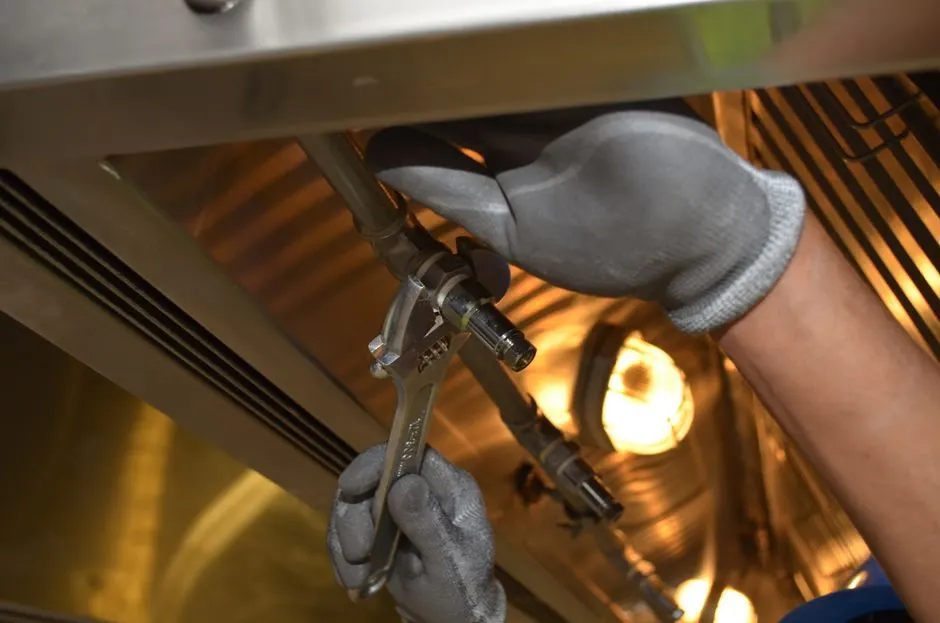
Pipe cutter

A pipe cutter removes the damaged section cleanly so replacement pipe and fittings can be installed. We select the approach to match the existing pipe material and available access.

Leak detection equipment

Leak detection equipment helps investigate wet ground or suspected leakage when the source is not visible. We compare the findings with sewer camera evidence to distinguish wastewater leakage from other plumbing issues.

Real results

Before and after.

Recurring Backup Stopped at the Source

Before

A home had two basement floor-drain backups in seven days, and a toilet gurgled whenever the washing machine drained. Clearing the floor drain restored flow briefly, but the symptoms returned. The pattern pointed to a restriction or defect in the main line rather than a single fixture clog.

After

Camera inspection located root intrusion at a joint about 18 feet from the cleanout. The damaged section was repaired, and the crew ran water through several fixtures to check flow. No wastewater returned through the floor drain during the final test, and the household had a clear explanation of the cause.

Wet Yard Traced to a Cracked Pipe

Before

The owner noticed a foul-smelling wet strip across the lawn that persisted after several dry days. Indoor drains still worked, so the leak was easy to overlook. The damp area followed the likely sewer route toward the property's connection, with no visible fixture leak inside the home.

After

A camera inspection identified a crack beneath the affected lawn. The crew exposed the location, replaced the failed section, and tested flow after reconnecting the line. The repair stopped wastewater from escaping at that point, and the excavation was backfilled once the pipe check was complete.

A Commercial Main Line Restored

Before

A small business reported slow restroom drains and a floor drain that began backing up during busy periods. The separate fixtures initially seemed unrelated, but symptoms worsened as more water entered the system. Keeping the restroom open without finding the main-line cause risked another interruption.

After

Inspection located a damaged, obstructed section in the building's main sewer line. The crew coordinated access, repaired the failed area, and tested multiple fixtures with water flowing. Restroom drains returned to normal operation, and the business received a clear account of the pipe section that had been corrected.

Problems we solve

Problems Solved by Sewer Line Repair

A sewer line fault can affect every drain connected to the building, not just the fixture where symptoms first appear. We use the camera findings and the pattern of backups to identify the cause, then repair the pipe or obstruction creating the disruption. Early diagnosis helps limit repeated cleanup and property damage.

Ask a pro →
01

Sewage returns through basement floor drains during normal household use

We check which fixtures are affected, inspect the main line, and locate the obstruction or failed section. After identifying whether roots, a break, or collapse is responsible, we clear or repair the line and test flow. We also tell you which fixtures to avoid using while the active backup is being addressed.

↗
02

Tree roots keep entering the sewer through a pipe joint

We inspect the line to locate root intrusion and evaluate the joint around it. If the pipe is structurally sound, cleaning can restore capacity; if the entry point is damaged, we repair that section so roots are not simply cleared and left to return. We confirm flow after the work.

↗
03

A soggy, foul-smelling patch follows the buried sewer route

We trace the likely pipe route and inspect the sewer to determine whether the wet area aligns with a crack or separated connection. Once located, we expose and repair the failed section, then run water through the line and check the repair. This stops the source rather than masking the odor.

↗
04

Several fixtures gurgle and drain slowly at the same time

We compare symptoms across fixtures and inspect the main sewer line rather than treating each drain as a separate clog. Camera findings show whether the cause is a blockage, roots, or pipe damage. We clear or repair the problem and test multiple fixtures to verify the system drains.

↗
Proof you can check

Credentials and Work Standards

✓
Washington State Plumber LicenseWashington State Department of Labor and Industries
✓
Uniform Plumbing Code complianceApplicable plumbing code authority
✓
OSHA safety certificationOccupational Safety and Health Administration
Good questions

Sewer Line Repair Questions, Answered

(509) 206-8096 →

A localized sewer line repair often costs $1,500 to $6,000, while extensive replacement can range from $6,000 to $20,000 or more in 2026. The cost to repair sewer line Spokane properties depends on pipe depth, material, access, length, and surface restoration. We inspect the line first because a short repair and a long failed run are different jobs. You receive upfront pricing for the recommended work before repairs begin.

Common signs include two or more slow drains, repeated backups, sewage odors, gurgling toilets, or unusually wet ground over the sewer route. One isolated clogged drain often points to a local obstruction, but several fixtures acting up together suggest a main-line issue. In Spokane, watch for a soggy patch that persists through dry weather or sewage coming up through a basement floor drain. A camera inspection confirms the cause.

We assess trenchless sewer repair Spokane options after inspecting the pipe, and use them only when the line's condition, alignment, and access support the method. Trenchless work can reduce surface excavation, but a collapsed, badly offset, or heavily deteriorated section may require open access. The camera inspection shows whether a no-dig approach is suitable. We explain the expected work area and compare practical repair options before proceeding.

A straightforward spot repair often takes 4 to 8 hours, while a larger sewer line replacement can take 1 to 3 days. Inspection commonly takes 30 to 60 minutes, but excavation, pipe depth, access, and restoration affect the total schedule. We explain the expected sequence after locating the defect. If you have an active sewer backup, stop running water in affected fixtures and call so we can address the immediate problem.

Ready when you are

Get Sewer Line Repair Spokane WA Moving

A sewer backup, sewage odor, or wet patch over the line needs a proper diagnosis. Our Washington State Plumber License supports code-aware repair work, and we explain the findings and pricing before starting. Call Plumbing Spokane LLC at (509) 206-8096 to arrange sewer line service.

Call for Repair (509) 206-8096 →
Request an appointment

Contact Our Spokane Team

Tell us what is leaking, blocked, or not working, and we will help you choose the next step. Call (509) 206-8096 for service questions and scheduling; our team handles calls during business hours and responds to urgent requests as promptly as possible. We serve Spokane, WA, including ZIP codes 99201, 99203, and 99202, with additional coverage across the city.

Call anytime(509) 206-8096Email the office[email protected]
Office hoursOpen 24 hours · 7 days a week
Request received — our team will be in touch shortly.
Tap to call(509) 206-8096