Protect your supply and keep required test records current

Backflow prevention and testing Spokane WA for safer water

backflow prevention and testing Spokane WA helps protect homes, businesses, and irrigation systems from contaminated water flowing backward into a clean supply. We test assemblies, identify failed components, and explain the repair needed in plain language. Property owners, facility managers, and irrigation customers use backflow testing Spokane when an annual notice arrives, a device fails, or plumbing work changes the water system.

↗
Fast online booking

Request service today

Tell us what is happening. Our local team will confirm your visit shortly.

No spam. No obligation. Just practical help.
Thanks — we'll call shortly to confirm your visit.
Professional Backflow Prevention and Testing in Spokane
Careful work. Honest options.
About this service

Backflow Prevention and Testing Spokane WA

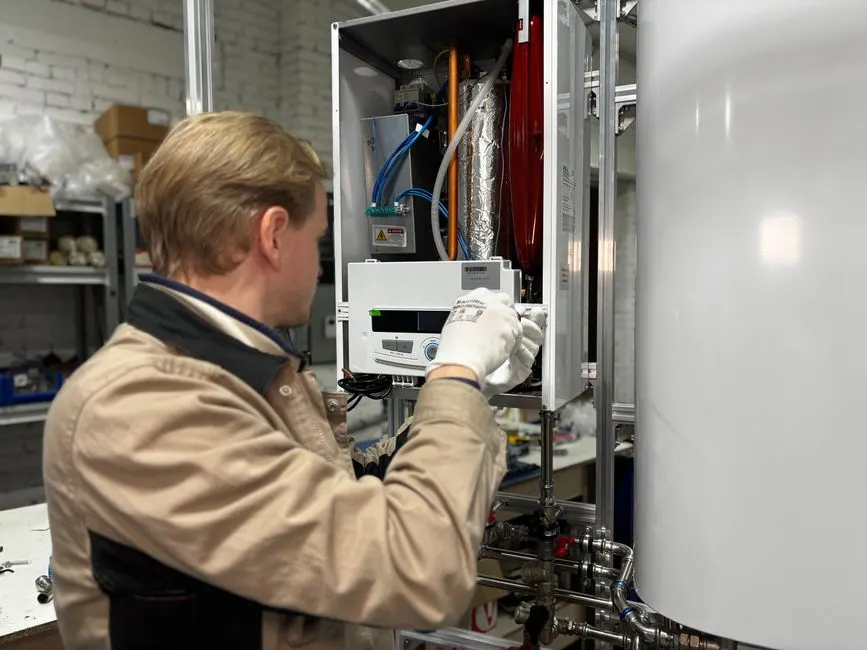
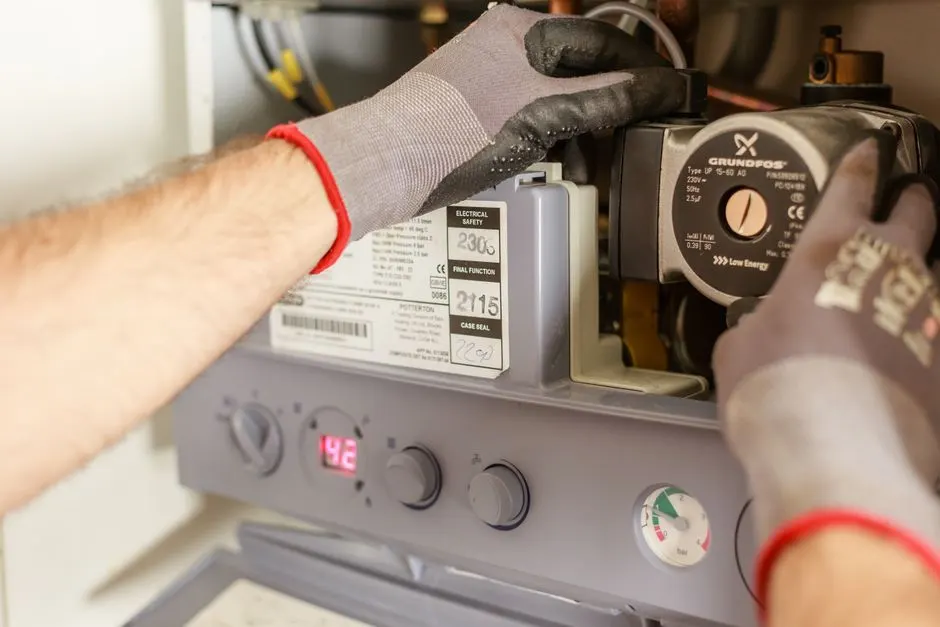
Backflow prevention and testing Spokane WA is a plumbing inspection and maintenance service that checks whether a backflow assembly stops contaminated water from entering the potable supply. Our technicians identify the assembly and its hazard application, inspect visible condition, then use a calibrated pressure gauge to test the check valves and relief function against the applicable procedure. We record readings, note failures, and explain whether adjustment, repair, or replacement is needed. A passing test is documented; it does not mean a worn assembly should be ignored indefinitely.

Spokane properties need functioning protection wherever a cross-connection could expose drinking water to irrigation chemicals, stagnant water, or process fluids. Freeze-thaw weather, seasonal irrigation startup, and older commercial plumbing all make inspection and accessible shutoff valves important. Our backflow prevention Spokane WA service helps owners respond to notices and keep records organized; annual backflow testing Spokane Washington is a practical reminder for assemblies that require yearly testing under the applicable program.

  • ✓ Protect potable water
  • ✓ Keep records organized
  • ✓ Find faults early
  • ✓ Support seasonal startup
What's included

What Backflow Testing Includes

A standard visit covers assembly identification, visual inspection, pressure testing, result explanation, and documentation of the test outcome. If the device fails, we explain the faulty component and the available repair path before additional work. Parts, rebuilding, replacement, or difficult access can add labor and cost; we discuss those needs directly so you know what the test covers and what the repair requires.

✓

Assembly identification

We record visible device details such as type, size, make, model, and serial number, then confirm the test procedure. Accurate identification helps connect readings to the right assembly and makes future records easier to compare.

✓

Visual condition check

We look for corrosion, leaks, damaged fittings, blocked test cocks, and shutoff problems before applying test equipment. This step helps identify conditions that could affect a valid test or make continued operation unsafe.

✓

Pressure performance test

A calibrated pressure gauge is connected to the test points and used to measure the assembly according to its type-specific sequence. We evaluate check-valve performance and relief operation where the procedure calls for it.

✓

Result explanation

We explain whether the assembly passed, failed, or could not be tested as found. If a reading indicates a fault, we identify the component and discuss repair options in clear terms rather than leaving you with unexplained figures.

✓

Test record

We document the test result and assembly details for your property file or applicable reporting process. Keep the record with prior reports and notices so you can track the due interval and compare future readings.

How it works

What to Expect During Testing

01

Confirm the assembly

We locate the device, record its make, model, size, serial number, and installation setting when visible, then confirm the applicable test procedure. You can point out the notice or prior report so we match the property details. Clear access around the assembly speeds this step and reduces the chance of disturbing nearby equipment.

02

Inspect visible condition

Before testing, we check the body, shutoff valves, fittings, and discharge area for leaks, corrosion, damage, or blocked access. We use a pipe wrench only where a connection requires careful handling, and we avoid forcing a seized valve. If a shutoff will not operate safely, we explain the issue before proceeding.

03

Measure performance

We connect a calibrated pressure gauge and follow the test sequence for the assembly type, checking differential pressure and relief operation as required. The readings show whether the internal checks are holding under test conditions. You can expect this measurement stage to take about 15 to 30 minutes on an accessible, serviceable unit.

04

Explain the result

We review each reading with you and identify a pass, a failed component, or a condition that prevents a valid test. If the assembly fails, we explain whether cleaning, adjustment, parts, or replacement is the logical next step. You get the reason in plain terms, not just a number on a form.

05

Document and restore

After testing, we return valves to their proper positions, check for leaks, and prepare the test documentation for the property record or required submission route. We confirm that water service is restored and tell you when to schedule the next test based on the applicable requirement. Keep the report with your plumbing records.
Tools & methods

Testing Tools and Methods

Purpose-built equipment, used by trained technicians — so the job is done accurately the first time.

Calibrated pressure gauge

Measures differential pressure at assembly test points so we can compare actual performance with the device-specific testing criteria. We check connections and readings carefully to avoid relying on visual appearance alone.

Test-cock fittings

Provide controlled connection points for the pressure gauge during the test sequence. We inspect them for blockage or damage and handle them carefully so the assembly can be tested without unnecessary strain.

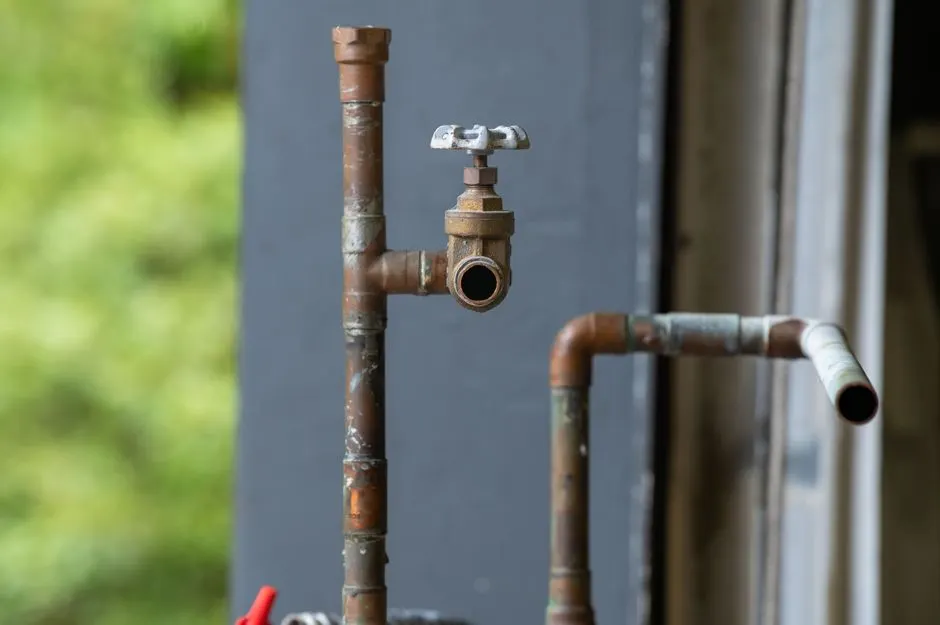
Pipe wrench

Used where a connection requires controlled mechanical handling during an authorized repair. We apply it carefully and protect nearby piping and fittings rather than forcing a seized component.

RIDGID testing equipment

RIDGID equipment supports field measurement and plumbing work. We use suitable, maintained tools for the assembly and verify that the instrument is appropriate for the test being performed.

Leak detection equipment

Helps locate water escaping from an assembly or nearby concealed piping when the source is not obvious. Finding the leak accurately keeps the repair focused and avoids confusing a pipe leak with an internal test failure.

Real results

Before and after.

Irrigation assembly after winter

Before

A South Hill homeowner found moisture near the irrigation assembly after winter but did not know whether it was a loose connection or a failed internal valve. The system had not been started yet, and the prior test record was difficult to locate. Starting irrigation without checking risked making the leak worse.

After

We inspected the visible fittings, tested the assembly, and identified a failed component rather than recommending a complete replacement by default. After repair and retesting, the device passed the applicable procedure and the leak stopped. The visit took about 90 minutes, including the repair and final check.

Commercial test records brought together

Before

A Downtown property manager had three backflow devices and reports stored in separate maintenance folders. One device had a current notice, but the location labels were unclear. The manager needed to know which assembly required service without interrupting tenant operations or testing the wrong unit.

After

We matched each accessible assembly to its location, tested the due device, and explained the results for all three. The required unit failed one check and was repaired and retested. The manager left with a clear device-level record and a next-step plan for the other assemblies.

Failed reading clarified before replacement

Before

A homeowner was told an irrigation assembly had failed but received no explanation of the pressure reading. They were concerned that replacement was the only option and that the yard would remain without water protection for an extended period.

After

We repeated the prescribed test sequence, isolated the component that did not hold, and explained the repair option. After the repair, the assembly passed the retest. The customer received the result and understood why the original reading failed without replacing a serviceable device.

Problems we solve

Solve Backflow Testing Problems Before They Grow

A missed test, a leaking relief outlet, or a failed reading can leave you unsure whether the water system is protected. We diagnose the assembly itself, explain the consequence of the finding, and give you a practical next step. If a test notice is already overdue, call with the device details and due date.

Ask a pro →
01

An annual test notice arrives, but the assembly location is unclear

We help you locate the assembly by checking common points such as irrigation connections, mechanical rooms, and service areas. Once identified, we record the device information, perform the proper test, and explain the result. If access is restricted, we tell you what needs to be moved before a return visit.

↗
02

Water drips from the relief outlet after a freeze

We inspect the assembly and nearby piping for visible freeze damage, then test the device to find whether the relief valve or check components are performing correctly. We explain the repair needed and verify the area for leaks after service. Do not cap the outlet; it is part of the device's operation.

↗
03

A backflow assembly fails its pressure test

We identify the reading that failed, assess the relevant check or relief component, and explain whether cleaning, repair, or replacement is appropriate. After authorized work, we retest the assembly and document the new result so you know whether it meets the required procedure.

↗
04

A commercial property has several devices and scattered reports

We identify each accessible assembly and tie its details to the test result, so your team can distinguish devices by location and function. We explain pass and fail results separately and help you keep a usable record set for future scheduling. Share prior reports before the visit if available.

↗
Proof you can check

Credentials and Service Standards

✓
Washington State Plumber LicenseWashington State Department of Labor & Industries
✓
Backflow Prevention Assembly Tester CertificationWashington State Department of Health
✓
OSHA safety certificationOccupational Safety and Health Administration
Good questions

Backflow Testing Questions

(509) 206-8096 →

A straightforward backflow test in Spokane commonly costs about $100 to $250 in 2026, with repairs or difficult access priced separately. The total depends on assembly type, site access, number of devices, and whether a failed component needs parts or labor. We explain the charge before authorized work begins. A test-only visit is different from rebuilding or replacing an assembly, so share the device count and any notice when you call.

Many regulated backflow assemblies require testing once every 12 months, but the authority and device application determine the exact schedule. Check your notice or previous report for the due date and assembly details. Irrigation assemblies are often scheduled before seasonal use, while commercial systems may have additional site requirements. We can review the information you have and help you plan the next test without assuming every property follows the same interval.

Yes, our team provides backflow assembly testing and documents the results for Spokane properties. The tester records the assembly details and readings, then explains whether the device passed or needs repair. Submission requirements vary by property and governing program, so provide any notice or form you received. We will clarify the report information and the next action needed to keep your records current.

Backflow prevention is the use of an approved assembly and maintenance practices to stop contaminated water from reversing into a drinking-water supply. Reversal can occur when supply pressure drops or another source creates higher pressure in connected piping. Spokane homes may need protection at irrigation connections, while commercial sites can have additional cross-connections. Testing verifies that the assembly's internal checks and relief functions operate under the prescribed procedure.

Ready when you are

Schedule Backflow Testing in Spokane

Keep your assembly tested and your property records clear. Plumbing Spokane LLC has served Spokane for 12 years; call (509) 206-8096 to book backflow prevention and testing Spokane WA for your home or business.

Book Testing (509) 206-8096 →
Request an appointment

Contact Our Spokane Team

Tell us what is leaking, blocked, or not working, and we will help you choose the next step. Call (509) 206-8096 for service questions and scheduling; our team handles calls during business hours and responds to urgent requests as promptly as possible. We serve Spokane, WA, including ZIP codes 99201, 99203, and 99202, with additional coverage across the city.

Call anytime(509) 206-8096Email the office[email protected]
Office hoursOpen 24 hours · 7 days a week
Request received — our team will be in touch shortly.
Tap to call(509) 206-8096